

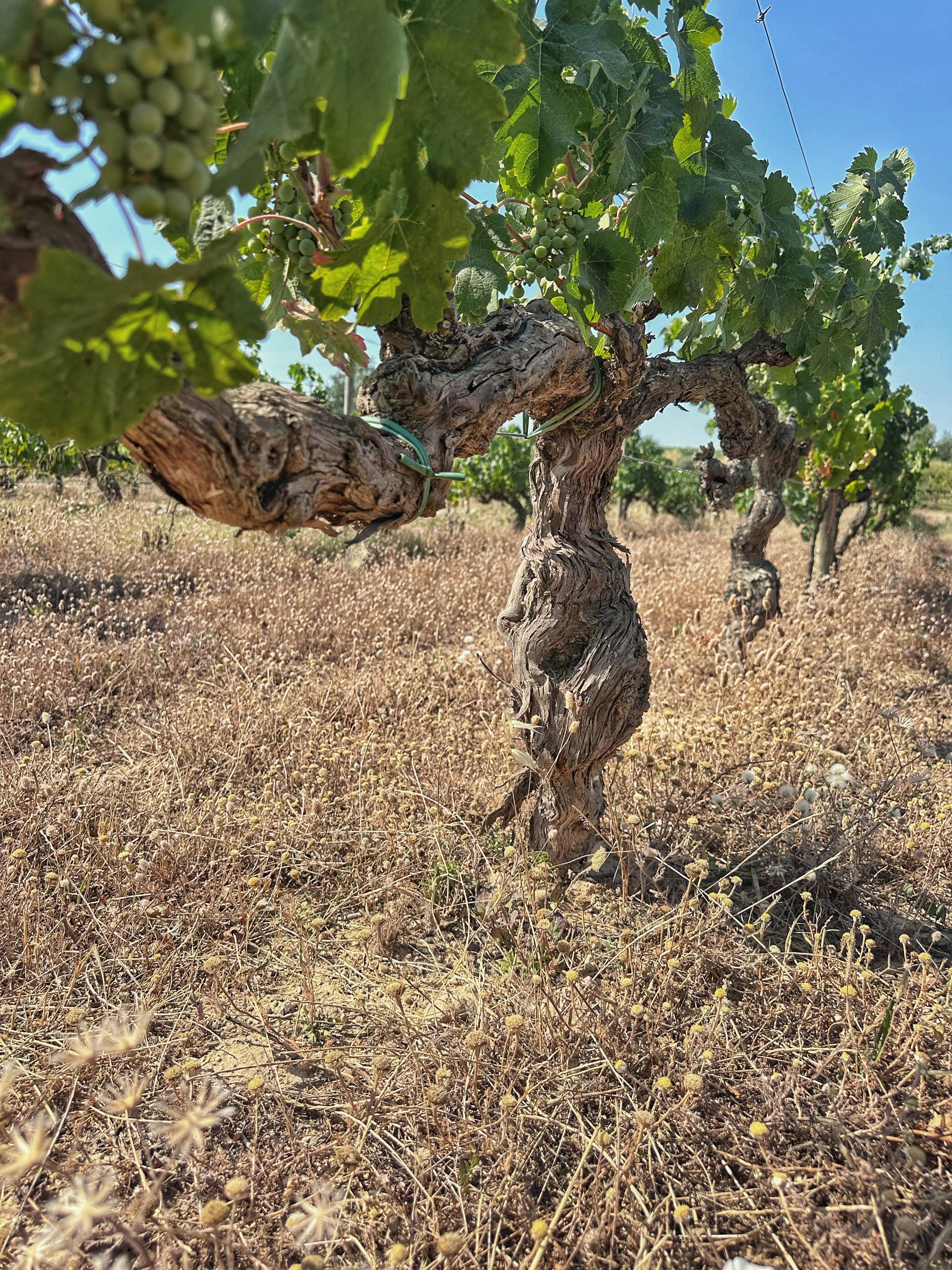
There are two major reasons winemakers should be doing everything they can to grow and craft wine sustainably.
One: climate change is real, threatening to extinguish up to 85% of the world’s wine-growing regions, unless something radical is done. In many cases, scientists say that percentage can be drastically reduced by deploying greener farming techniques and planting grape varieties that are more heat and pest-tolerant.
Two: younger generations are increasingly eager to support brands that farm responsibly. And because Millennials are now the largest wine-consuming cohort in the U.S., it’s important to think about their needs and desires when crafting a long-term business plan. (Also, not to day the quiet part out loud, but … Millennials, ages 29 to 44, will invariably be around supporting the wine industry a lot longer than Baby Boomers, ages 61 to 79).
But what is sustainable? That slippery term—sans legal definition—offers far too much room, critics say, for creative, and sometimes ill-intended, interpretation.
All reasons that the Torres family is so bullish on organic regenerative agriculture, whenever possible, for their line of wines.
Differences Between Organic Regenerative, Organic, Biodynamic
Growers and producers can always—and often do—choose to do more than a certification demands. But consumers shopping around specific certifications rarely have that information top of mind—they have to go with the sticker on the bottle.
Grapes that are certified organic are grown without synthetic pesticides, herbicides, or artificial fertilizers. But producers are not required to improve soil biological activity, or increase biodiversity in and around the vineyards. Certified organic vineyards can till their soil, and have diminishing ecosystems.
Grapes that are certified biodynamic follow a holistic practice that considers the entire ecosystem. Grapes are grown without chemicals, and practitioners are supposed to focus on cultivating healthier soil in a biodiverse environment. However, biodynamic practitioners also need to time agricultural activities around the lunar and planetary cycles, and utilize specific preparations made from herbs, minerals, and manure. There is also a spiritual element to the practice. While many practitioners believe these methods are effective, there is little to no scientific evidence explaining why.
And many find the more esoteric requirements cumbersome.
Certified organic regenerative farming incorporates decades of findings on soil science, hydrology, and biodiversity to create a growing method designed to mimic a natural ecosystem. Practitioners are required to measure and assess the levels of soil microbes, carbon, and water retention. Growers can adjust methods, depending on the results, with the goal improving the results.
Watch this video for Miguel Torres Maczassek’s explanation of the basics of regenerative agriculture, and why it helps set up vines for a less stressful, more resilient growing environment—come what may in terms of heatwaves and drought.
Watch this video for Miguel’s explanation of why, as a member of the fifth generation, he and his sister Mireia Torres are so keen to use it, in addition to the obvious environmental benefits (Spoiler: the wine tastes better when the grapes aren’t stressed by the shifting climate).
